
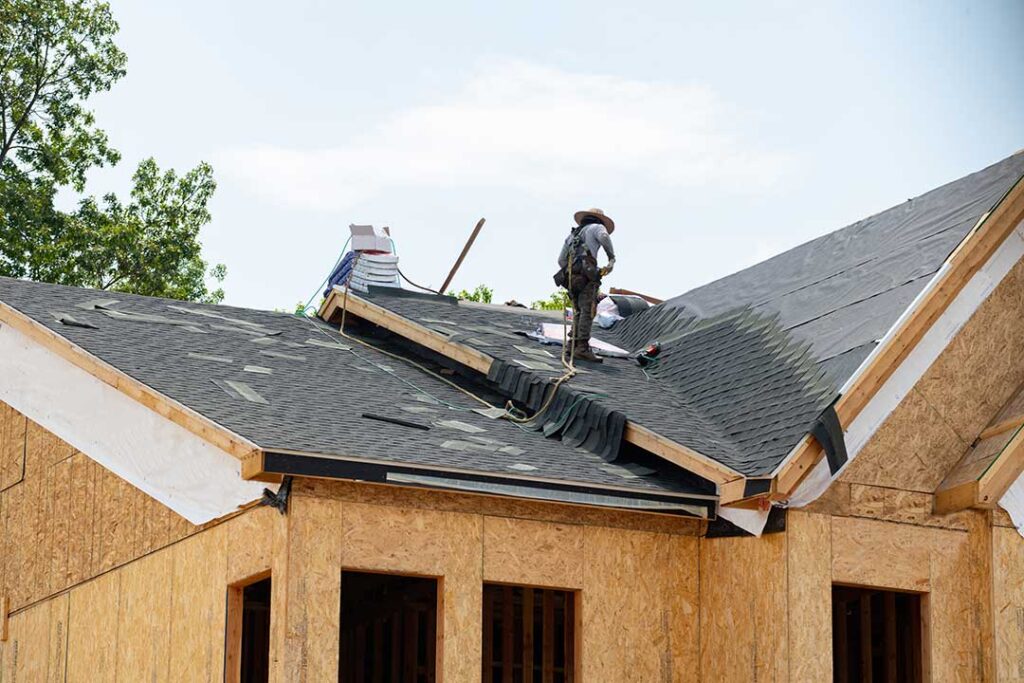
What does a roof tear-off involve?
A roof tear-off is the process of removing existing roofing materials before a new roof is installed. In most cases, this means taking off shingles, underlayment, flashing, and sometimes damaged roof decking so the roof structure can be inspected from the outside.
For homeowners in Averill Park, NY, the work may take place over one or more days, depending on the roof’s size, its steepness, the number of existing layers, weather conditions, and how much concealed damage is found beneath the surface.
A tear-off is more involved than simply placing new shingles over old ones. It creates noise, debris, temporary exposure of the roof structure, and a need for careful weather planning.
Why are old roofing materials removed?
Removing the existing roof allows the underlying roof deck to be examined. The roof deck is usually made of wood panels attached to the rafters or trusses. Shingles can hide soft areas, water staining, improper fastening, or damage around chimneys, vents, skylights, and roof edges.
A tear-off may be necessary when:
- The existing roof has multiple layers of shingles.
- The current shingles are badly curled, cracked, or deteriorated.
- Water has entered beneath the roofing system.
- The roof deck has weakened or developed areas of rot.
- Flashing or ventilation details need to be corrected.
- Local requirements or manufacturer instructions do not allow another layer.
Adding a new layer over old shingles can sometimes be permitted, but it does not correct problems underneath. It may also add weight and make future repairs more difficult.
What happens before the work begins?
Preparation usually starts with a review of the roof, attic, exterior walls, and areas surrounding the home. The condition of the roof deck cannot always be determined fully before removal, so homeowners should expect some findings to become clear only after the old materials are taken off.
Before tear-off day, residents should move or protect items that could be affected by vibration, falling dust, or noise. Useful preparation includes:
- Removing fragile objects from attic shelves and upper-floor walls.
- Covering stored items in the attic.
- Moving vehicles away from the work area.
- Securing outdoor furniture, planters, and decorations.
- Keeping children and pets away from the work zone.
- Identifying gates, exterior outlets, water spigots, and access points.
Wall decorations may shift because removing shingles involves repeated impact on the roof surface. Fine dust can also enter attic spaces through small openings around light fixtures, vents, or unfinished areas.
What is tear-off day like?
The first stage is usually site protection. Ground coverings, temporary barriers, and collection areas may be placed around the house. Materials are then removed from the highest portions of the roof downward.
The work is loud. Scraping, hammering, walking on the roof, and moving debris can continue for several hours. Noise may be especially noticeable inside upper rooms and in the attic.
Old shingles and underlayment are generally carried or lowered to the ground and placed into a disposal container. Small pieces can travel beyond the immediate foundation, which is why careful cleanup matters. Temporary coverings may be used if the roof cannot be completed the same day or if changing weather creates a delay.
The roof may look unfinished during part of the process. That is normal, but exposed roof areas should not be left unprotected if rain is possible.
What happens if damaged wood is found?
Hidden deck damage is one of the most common unexpected issues during a tear-off. Wet or weakened wood may be found around roof edges, valleys, plumbing penetrations, chimneys, and areas where flashing has failed.
Not every dark stain means the wood must be replaced. The concern is whether the panel remains structurally sound and able to hold roofing fasteners. Soft, delaminated, broken, or badly deteriorated sections may need replacement before new roofing materials are installed.
Homeowners should expect the scope of work to change if concealed damage is discovered. A clear explanation should identify:
- Where the damaged area is located.
- Why it cannot safely remain.
- How much material must be replaced.
- Whether the affected area suggests an ongoing moisture problem.
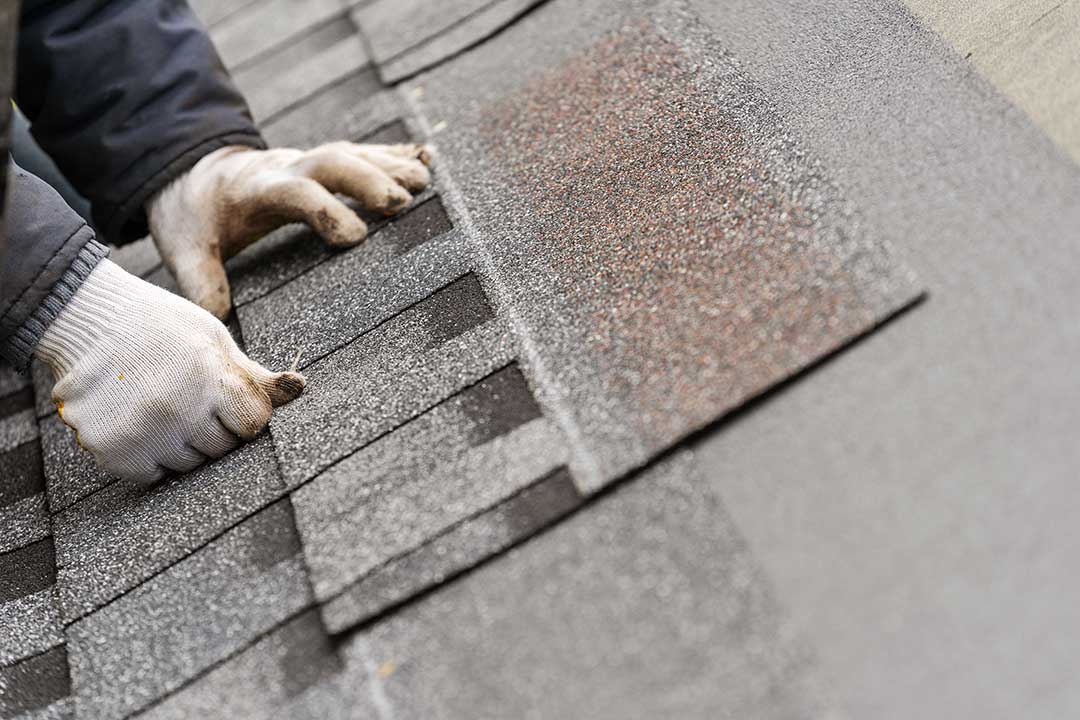
Replacing a limited section of decking is different from replacing large portions of the roof structure. Significant structural concerns may require additional evaluation before roofing continues.
How does weather affect the schedule?
Weather has a direct effect on roof tear-off work. Rain can make exposed decking slippery and can allow water into the attic or living space. Strong winds can make loose materials and temporary coverings hazardous. Cold temperatures may also affect how some roofing materials seal and perform.
Averill Park experiences seasonal changes that can complicate exterior construction, including freeze-thaw conditions, snow, ice, spring rain, and summer storms. Roofing work is often planned around a reasonably stable weather window rather than a single calendar date.
If bad weather develops, the roof should be covered securely and checked for signs of water entry. A delay is preferable to leaving the structure exposed or installing materials in unsafe conditions.
What should homeowners expect inside the house?
Most of the visible activity occurs outside, but interior effects are possible. Vibration may loosen small amounts of dust from the attic or cause light fixtures and wall hangings to move. Existing ceiling stains may become easier to see after the roof is opened and inspected.
A tear-off should not normally damage finished ceilings or walls, but older homes may have brittle materials, previous water damage, or gaps around penetrations that allow dust to move indoors. Attic insulation can also reveal signs of earlier leaks that were not obvious from the rooms below.
It is sensible to inspect attic areas after the work, especially around valleys, vents, chimneys, and roof edges. New moisture, damp insulation, or active dripping should be reported immediately.
How is cleanup handled?
Cleanup is more than removing the large pieces of roofing. Small nails, shingle fragments, underlayment, and wood debris can remain in grass, planting beds, driveways, and walkways.
A thorough cleanup commonly includes ground collection, sweeping, magnetic nail detection, removal of protective coverings, and inspection around entrances and outdoor living areas. Even with careful work, a few small pieces may be difficult to find in grass or gravel, so homeowners should use caution when walking barefoot or allowing pets into the area immediately afterward.
Gutters may also contain granules and debris after a tear-off. They should be checked so downspouts do not become blocked during the next rainfall.
What signs suggest the work was not completed properly?
After the roof is finished, homeowners can look for basic indicators of a complete installation:
- No exposed roof deck or missing shingles.
- Flashing appears properly placed around penetrations and roof transitions.
- Roofing materials lie flat rather than buckling or lifting.
- Gutters and downspouts are clear of large debris.
- Attic areas remain dry after the first rainfall.
- Nails and loose materials have been removed from the ground.
- Temporary coverings, waste, and protective materials are gone.
A few granules in gutters can be normal after new asphalt shingles are installed. Large amounts of loose material, visible gaps, lifted edges, or recurring interior moisture deserve prompt attention.
The most disruptive part of a reroofing project is often the tear-off itself. Understanding the noise, debris, weather precautions, possible deck repairs, and cleanup requirements helps residents prepare realistically and recognize what a properly managed roof replacement should look like.
