
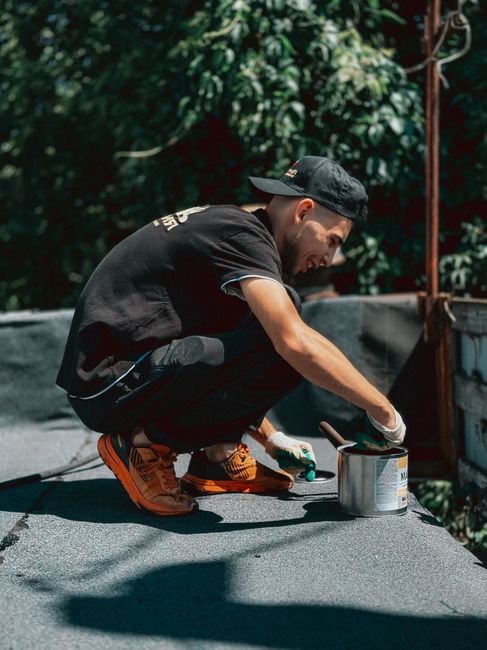
Roof coatings are protective layers applied over an existing roofing surface. Depending on the material, a coating may reduce water intrusion, reflect sunlight, protect against ultraviolet damage, seal small surface imperfections, or extend the useful life of a roof that is still fundamentally sound.
They are not a universal substitute for roof replacement. A coating cannot correct widespread structural deterioration, rotted decking, major leaks, poor drainage, or an installation that has already failed.
Are roof coatings practical for homes in Averill Park, NY?
They can be practical in specific situations, particularly on low-slope roofs, porch roofs, additions, garages, and other roof sections where water drains more slowly. The decision depends on the existing roofing material, its age, the condition of the seams and flashing, and how well the surface can be prepared.
The seasonal conditions in Averill Park include snow, freeze-thaw cycles, rain, ice, and periods of high summer sun. Those changes place repeated stress on roofing materials. A coating may help protect a suitable roof surface, but it must be compatible with the roof and able to withstand movement caused by temperature changes.
Steep asphalt-shingle roofs require more caution. Many liquid coatings are not designed to be applied over standard shingles. They can trap moisture, interfere with the shingles’ intended surface, add unnecessary weight, or create maintenance problems. A product being labeled “waterproof” does not mean it is appropriate for every roof type.
What are the main advantages of roof coatings?
The strongest benefits involve protection and life extension rather than dramatic energy savings.
A coating may delay replacement
If the underlying roof is dry, firmly attached, and generally in good condition, a coating can add a protective layer over weathered material. This may slow ultraviolet damage, surface oxidation, and deterioration from repeated exposure to rain and sunlight.
That does not create a new roof. It may provide additional service life, but the remaining life of the original roofing system still matters.
Coatings can seal some minor vulnerabilities
Certain systems reinforce seams, fastener areas, penetrations, and small surface cracks. This is especially useful on low-slope roofs with many joints or exposed membrane seams.
However, a coating is not a reliable solution for active leaks caused by damaged flashing, open seams, punctures, failed pipe boots, or deteriorated decking. Those conditions generally need to be corrected before the coating is applied.
Reflective coatings can reduce summer heat gain
White or light-colored coatings reflect more sunlight than dark roof surfaces. On buildings with low-slope roofs and air-conditioned upper floors, that can reduce roof-surface temperatures and lower cooling demand during sunny weather.
The effect is usually more noticeable in buildings with large exposed roof areas, limited insulation, or significant summer air-conditioning use. In a heating-dominated climate, the energy savings may be less compelling than in a hot region. A reflective surface also does not replace proper attic insulation or air sealing.
Coatings may reduce material waste
When a sound roof can be renewed instead of removed, less roofing material is sent to a landfill. A coating project may also involve less disruption than a complete tear-off, although surface preparation can still be extensive.
What are the disadvantages and limitations?
Roof coatings have several important drawbacks that are easy to overlook.
They require careful surface preparation
Dirt, loose granules, chalking, algae, moisture, oil, and failing old coatings can prevent proper adhesion. The surface may need cleaning, drying, repairs, seam treatment, and primer before the main coating is installed.
Applying a coating over a damp or unstable surface can hide problems temporarily while allowing deterioration to continue underneath.
They do not repair a failing roof structure
A coating cannot restore rotten decking, sagging roof sections, damaged rafters, widespread blistering, or insulation that has become wet. It also cannot correct an inadequate slope or a drainage design that leaves water standing for long periods.
If a roof is already near the end of its service life, coating it may postpone replacement without eliminating the eventual cost.
Some coatings need regular maintenance
Coated roofs may require inspections, cleaning, touch-ups, and renewed treatment at vulnerable areas. Dirt can reduce reflectivity, while branches, ice movement, foot traffic, and snow-removal activity can damage the surface.
The coating’s expected life depends on thickness, exposure, weather, substrate condition, drainage, and installation quality. A product with a long advertised lifespan may perform differently if it is applied too thinly or over an unsuitable surface.
Winter conditions can create special concerns
Freeze-thaw cycles can enlarge small cracks and openings. Snow and ice may also conceal drainage problems or keep parts of a roof damp for extended periods.
A coating that remains flexible in cold weather is generally more suitable than one that becomes brittle, but flexibility alone does not solve poor drainage or underlying moisture problems. Roof edges, flashing, penetrations, and areas where snow accumulates deserve particular attention.
The surface may become slippery
Some coatings create a smoother finish than the original roofing material. Once wet, icy, or covered with light snow, the surface may be hazardous to walk on. This matters for roofs that require access for chimney work, satellite equipment, ventilation maintenance, or seasonal inspection.
Which types of roofs are usually better candidates?
Low-slope roofs are often the most suitable candidates because coatings can create a continuous protective surface over membranes, modified bitumen, metal, or certain built-up roofing systems.
Common coating categories include:
- Acrylic coatings: Often reflective and water-based, but they may be less suitable where water regularly remains on the roof.
- Silicone coatings: Generally resistant to standing water and useful in some low-slope applications, though they can attract dirt and may be difficult to coat over later.
- Polyurethane coatings: Often used where greater abrasion or impact resistance is needed, but they require careful preparation and handling.
- Elastomeric coatings: Designed to stretch and contract with some roof movement, although performance varies by formulation and substrate.
The label is only a starting point. Compatibility with the existing roof system, local weather exposure, drainage, and manufacturer requirements are more important than the coating category by itself.
Is a roof coating better than replacing the roof?
Not automatically. Coating is more likely to make sense when the roof is structurally sound, leaks are limited and repairable, drainage works properly, and the remaining roofing material can support another protective layer.
Replacement is generally more appropriate when there is widespread moisture damage, repeated leaking in multiple areas, extensive surface loss, severe rust-through, soft decking, or significant movement of the roof system.
A useful comparison should include the full cost of preparation, repairs, coating thickness, future maintenance, and eventual replacement. A lower initial price does not necessarily mean a lower long-term cost.
What should residents check before choosing a coating?
Before deciding, examine the roof’s condition rather than focusing only on the coating’s advertised benefits.
Important questions include:
- What roofing material is already installed?
- Is the roof dry beneath the surface?
- Are seams, flashing, vents, and penetrations sound?
- Does water drain promptly after rain?
- Has the roof experienced repeated leaks?
- Will the coating remain compatible with future repairs?
- How will snow, ice, branches, and foot traffic affect the surface?
- Is the work allowed under the roof system’s warranty or installation requirements?
For homes with steep roofs, hidden moisture, structural damage, or unsafe access, an experienced roof inspection is a safety issue rather than a sales step. Walking on icy, fragile, or steep roofing can cause falls and can damage the roof further.
The most accurate view of roof coatings is balanced: they can protect and extend the life of a suitable roof, especially a sound low-slope system, but they cannot turn a failing roof into a new one. In the local climate, drainage, preparation, cold-weather flexibility, and the condition beneath the coating matter as much as the coating material itself.
