
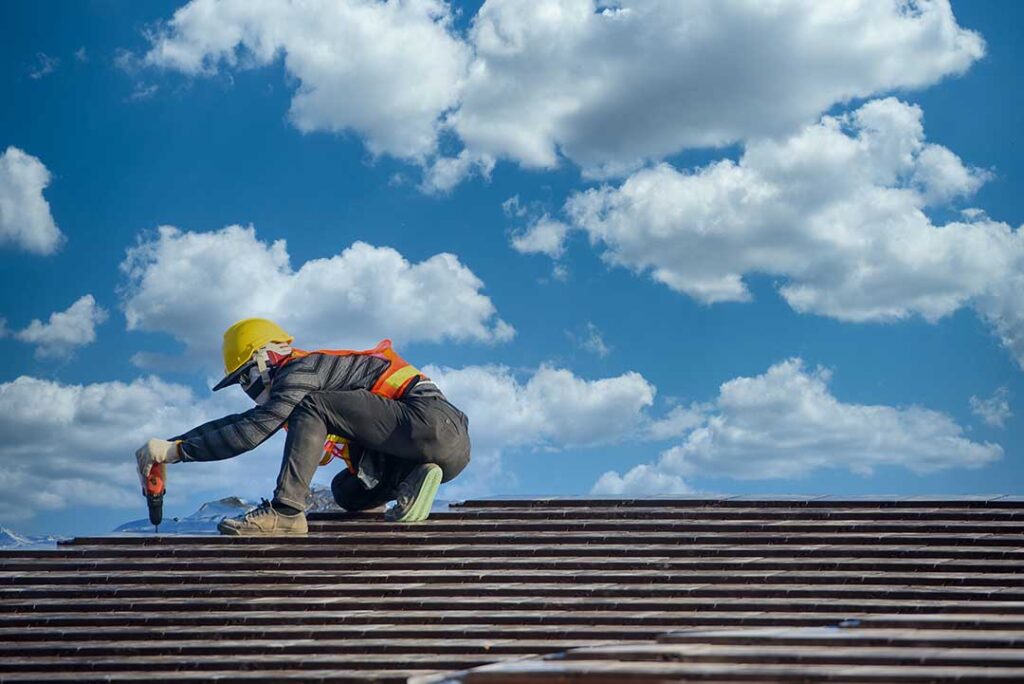
Why Does the Timing of Roof Inspections Matter in Averill Park, NY?
Identifying roof issues early in Averill Park prevents costly repairs and maximizes your roof’s lifespan. Seasonal weather patterns in the area—such as heavy snow, ice, and summer rainstorms—make regular inspection especially relevant for local homeowners. Inspections catch minor problems before they turn into leaks, mold, or structural damage.
How Often Should Roofs Be Inspected in This Area?
Most residential roofs in Averill Park benefit from a professional inspection at least once a year. However, there are local considerations that may increase this frequency:
- After severe hail, wind, or snowstorms common in late fall and early spring
- If you notice signs of damage, like missing shingles or water stains inside
- Before putting your home on the market or after purchasing a new property
Older roofs, roofs with overhanging trees, or those that have not been checked in several years may need more regular assessments.
What Are the Signs Your Roof Might Need Immediate Inspection?
If you spot any of the following, it’s wise to schedule an inspection soon:
- Shingles that have curled, cracked, or gone missing
- Granules accumulating in gutters
- Deteriorating flashing around chimneys, skylights, or vents
- Visible sagging or uneven rooflines
- Water stains on interior ceilings or attic spaces
These problems are often more visible after winter thaws or heavy rain. In Averill Park, freeze-thaw cycles can cause small issues to escalate quickly.
What Makes Late Winter and Early Spring Key Inspection Times?
Roofs in Averill Park face a particular set of seasonal stresses. The freeze-thaw cycle—where melting snow refreezes overnight—can work water into small cracks. Icicles and ice dams may block runoff, increasing the likelihood of leaks along edges and gutters.
Inspecting after winter, but before spring rains become heavy, gives you time to address damage from snow and ice. For many local households, a proactive checkup in March or early April is the most practical routine.
Are There Other Good Times to Plan an Inspection Locally?
Late fall, usually before the first major snow, can also be ideal. This ensures your home is ready to withstand long periods of snow cover and freezes. Checking after large wind or thunderstorm events—especially if trees are near your roof—can be helpful, as falling branches or wind-driven debris often go unnoticed from the ground.
What About Roofs That Seem "Fine" From the Ground?
Many issues aren’t visible unless you’re up close or in the attic:
- Hidden leaks may only show as subtle marks
- Shingles can loosen or crack but remain otherwise in place
- Small gaps in flashing may cause long-term water intrusion
Routine inspections pick up on silent or minor problems before they appear inside the home, keeping maintenance manageable over time.
Should You Inspect the Roof Yourself or Seek Outside Help?
Simple, safe visual checks from the ground or attic are encouraged for homeowners in Averill Park. Look for common issues after storms or each season, but avoid climbing on the roof if you are untrained. Roofs can be slippery, especially with humidity or frost.
If your roof is steep, multi-leveled, or higher off the ground, or if you notice signs of major structural damage (like severe sagging or suspect mold), it’s safest to rely on someone professionally trained. This is especially true for slate, tile, or metal roofs that may be more complex than typical asphalt shingles.
What Are Some Seasonal Triggers That Indicate a Need for Inspection?
Local climate patterns provide clues:

- Thawing snow runs off and sometimes leaks into flashing gaps—especially after rapid mid-winter temperature swings
- Windstorms in late fall or early summer can tear at loose shingles or damage gutters
- Heavy, wet snow accumulation may cause structural strain, especially on older roofs
Whenever you experience more extreme versions of these events, a timely check helps safeguard your home.
What Are the Risks of Delaying Inspections?
Waiting too long increases the chance of:
- Water damage, which can be costly to repair and may threaten insulation, walls, or framing
- Mold or mildew growth inside attics or ceiling cavities
- Increased energy bills from poor attic ventilation or insulation disturbances
- Shortened overall roof lifespan
Even new roofs can benefit from periodic assessment in Averill Park’s variable climate, which accelerates wear.
Are There Local Myths or Misconceptions About Roof Inspections?
Some Averill Park residents believe new roofs don’t need inspections for many years. In reality, manufacturer warranties often require routine checks to remain valid. Another misconception is that insurance always covers roof issues: insurers typically look for evidence of regular maintenance and may deny claims if neglect is found.
A final myth is that small leaks fix themselves or are just "normal" in older homes. Even minor seepage can become significant during wet seasons.
What Practical Steps Can Homeowners Take Between Professional Inspections?
- Remove branches or debris from the roof and gutters when safe to do so
- Check attic insulation for moisture or mold after major weather events
- Observe your ceilings for any new stains after rain or snowmelt
By catching minor issues early, you ensure that annual or storm-triggered inspections remain straightforward and less disruptive to household life.
