
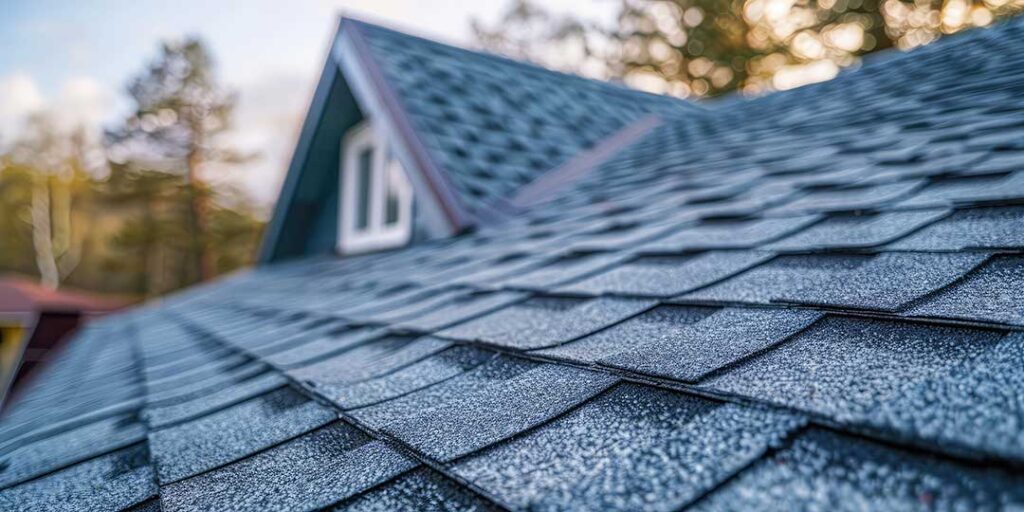
Walking on a roof can cause serious falls, damage roofing materials, or both. For most homeowners, the safest approach is to inspect the roof from the ground, attic, windows, or a properly positioned ladder rather than stepping onto the roof surface.
If roof access is genuinely necessary, conditions, roof design, footwear, ladder placement, and fall protection all matter. A roof that appears dry and manageable from the yard may still have hidden algae, loose granules, weak decking, frost, or steep sections that make walking unsafe.
Is it safe for a homeowner to walk on a roof?
It may be possible to walk carefully on a low-slope, dry, structurally sound roof, but there is no universal safe method for every roof. Asphalt shingles, metal panels, slate, wood shakes, and membrane roofs each have different walking risks.
Avoid walking on the roof if:
- The surface is wet, icy, frosty, snow-covered, or visibly slippery.
- The roof has a steep pitch or multiple levels.
- Wind is strong enough to affect balance.
- Shingles are loose, curled, brittle, or shedding granules.
- The roof deck feels soft, spongy, or uneven.
- There are skylights, roof openings, fragile coverings, or unprotected edges.
- You are carrying tools, materials, or anything that prevents both hands from being used for balance.
- You are uncomfortable with heights or cannot safely get back to the ladder.
In the seasonal weather common around Averill Park, snow, freeze-thaw cycles, damp leaves, and morning frost can make roof surfaces hazardous even when the ground looks clear.
What should be checked before stepping onto a roof?
Start with the conditions below and around the roof. A quick pre-check can prevent a dangerous climb.
Look for:
- Ice or frost along eaves, valleys, ridges, and shaded areas.
- Wet leaves, moss, algae, or loose debris.
- Sagging roof sections, damaged soffits, or separated gutters.
- Downed branches or overhead power lines.
- A ladder location that is level, firm, and free of mud, snow, or ice.
- A clear path below in case tools or debris fall.
Check the weather forecast and postpone roof access if rain, snow, freezing temperatures, or strong wind are expected. Sunlight can dry one roof section while another remains slick in shade.
Never assume a roof is safe because someone recently walked on it. Conditions change, and hidden damage may not be visible from the ground.
How should a ladder be positioned?
A ladder is often the most dangerous part of roof access. It must rest on a stable, level surface and be tall enough to provide a secure transition without standing on the top rungs.
Set the ladder on solid ground, not on loose soil, stacked boards, a snowbank, or an unstable deck edge. The base should not slide, and the ladder should be secured when possible. Keep the area below clear of children, pets, vehicles, and foot traffic.
As a general setup principle, the ladder should be positioned at a safe angle rather than standing nearly vertical or leaning too far away from the wall. When the ladder extends to a roof edge, it should provide a stable handhold above the landing area. Face the ladder while climbing, keep both hands available, and maintain three points of contact.
Do not carry heavy equipment up a ladder. Use a tool belt, hoist line, or another method that leaves both hands free, provided the equipment can be managed without creating a fall hazard.
What footwear is appropriate?
Wear clean, closed-toe shoes with flexible soles and strong traction. Shoes should be free of mud, oil, snow, and loose gravel before climbing.
Avoid:
- Smooth-soled shoes
- Flip-flops or sandals
- Bare feet
- Heavy work boots with hard, rigid soles
- Shoes with deep mud or embedded stones
Traction does not make a steep or wet roof safe. Shoes can slip on algae, frost, painted metal, or worn shingles regardless of tread.
How should a person walk on shingles?
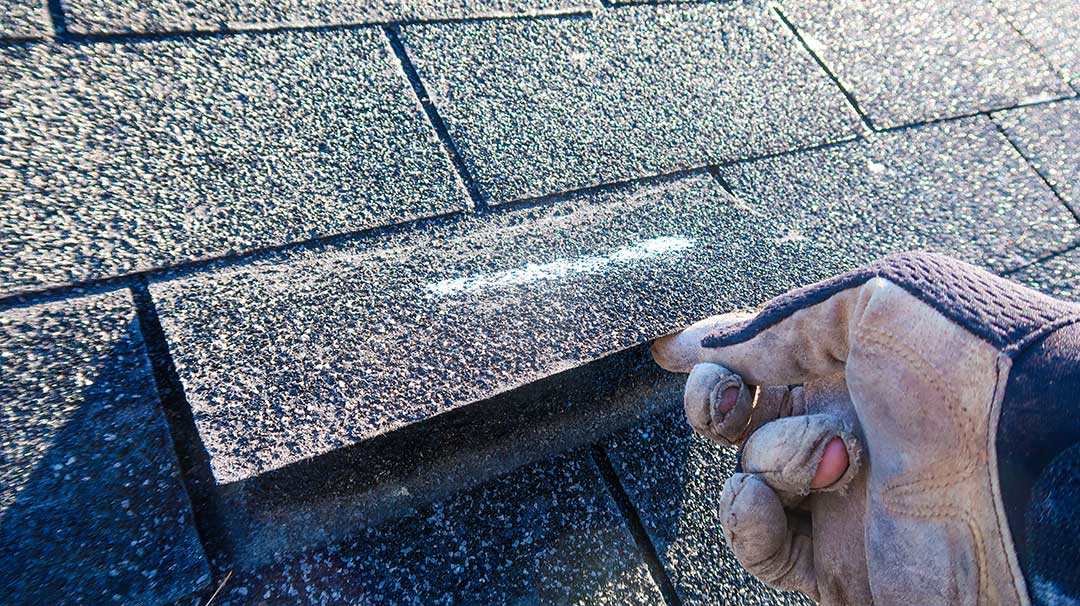
On a dry, low-slope asphalt-shingle roof, step carefully and deliberately. Place each foot flat rather than walking on the toes or heels. Move slowly, keep your body balanced over your feet, and avoid sudden turns.
Whenever possible, place feet near the lower portions of shingles where the roofing surface is supported by the roof deck. Avoid stepping on exposed edges, loose tabs, ridge caps, valleys, flashing, vents, and areas that appear damaged.
Do not jump across roof sections or step over ridges without a stable handhold and a clear view of the landing area. Keep weight distributed evenly and avoid twisting while reaching.
Walking on shingles can loosen granules and shorten the life of brittle or aging roofing. If the roof is more than a few years old, the surface may be less resilient than it appears, especially after repeated hot summers and winter freeze-thaw cycles.
Can someone safely walk on a metal roof?
Metal roofing requires extra caution because it can be extremely slippery when wet, frosted, dusty, or covered with light snow. Fasteners, seams, ribs, and panels may also be damaged by improper foot placement.
Do not walk on a metal roof unless the roofing system is specifically designed for foot traffic and the manufacturer’s walking instructions are known. Avoid stepping on unsupported panel areas, skylights, edges, and seams. Painted finishes can become slick with age, pollen, or moisture.
A metal roof that looks clean may still have a thin film of condensation or frost. That layer may be difficult to see from the ground.
What about snow, ice, and winter roof access?
Do not walk on a snow- or ice-covered roof. Snow can conceal weak decking, skylights, vents, and changes in roof height. It can also slide unexpectedly, pulling a person off balance or pushing snow and ice onto people below.
Roof snow may also be heavier than it appears, particularly when wet. Removing snow from a roof can create additional fall and structural hazards. Improvised methods such as climbing onto the roof with a shovel, using a rope without proper fall protection, or standing beneath falling snow are unsafe.
Keep people away from areas where roof snow or ice could fall. During winter, ground-level observation and attic inspection are generally safer ways to look for concerns such as leaks, sagging, or ice-dam-related damage.
How can a roof be inspected without walking on it?
Many common checks can be completed from the ground:
- Use binoculars to look for missing, curled, or displaced shingles.
- Examine gutters and downspouts for excessive granules.
- Look for staining, sagging, or daylight in the attic.
- Check ceilings and upper walls for water marks.
- Inspect flashing visible from windows or nearby elevated areas.
- Photograph questionable areas using a camera with zoom rather than climbing.
A ladder may allow a closer look at the lower roof edge, but it does not make the entire roof safe to walk. Never lean beyond the ladder’s side rails or use the top rung as a step.
When should roof access be avoided entirely?
Avoid roof access when the structure has visible damage, uncertain stability, steep slopes, fragile materials, snow or ice, exposed electrical hazards, or any condition that makes a fall protection system necessary.
Roofing workers use equipment and procedures designed for fall hazards, including anchors, guardrails, roof brackets, scaffolds, and personal fall-arrest systems. These systems must be selected, installed, and used correctly; a rope tied to a chimney, vent, tree, or improvised anchor is not a reliable substitute.
If a roof inspection requires stepping onto a hazardous surface, staying on the ground is the safer decision. A roof can be repaired or inspected later, but a fall can result in permanent injury even from a relatively low height.
