
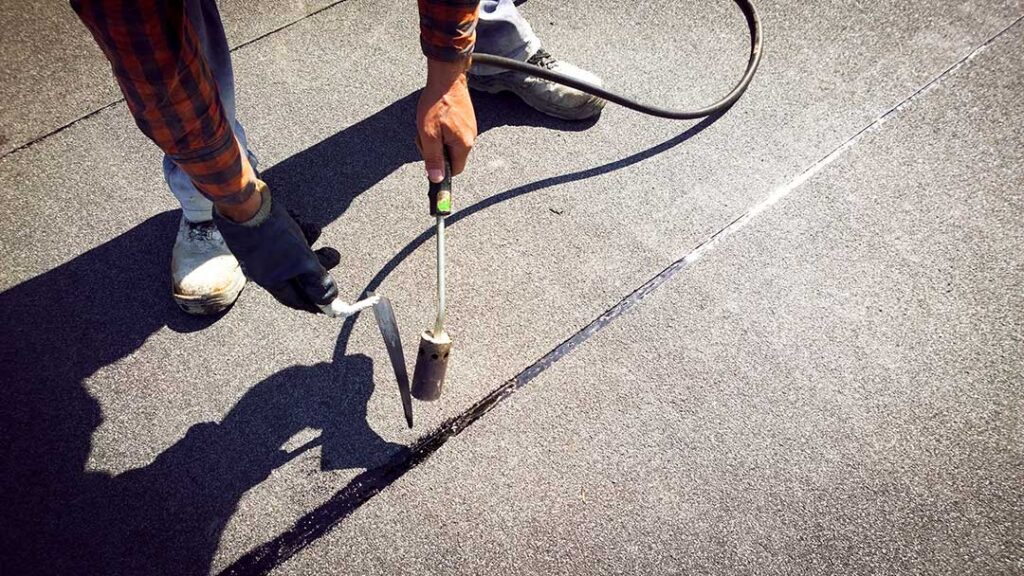
Roof repairs often look simpler from the ground than they are up close. A missing shingle, a small ceiling stain, or a loose piece of flashing may seem like a quick weekend fix, but incorrect repairs can trap moisture, damage roofing materials, or make the original problem harder to find.
For homeowners in Averill Park, NY, changing weather adds another concern. Freeze-thaw cycles, heavy rain, wind, snow, ice buildup, and falling branches can affect different parts of a roof throughout the year. Understanding common repair mistakes helps residents protect the roof structure and recognize when a problem requires more than a temporary patch.
What is the most common roof repair mistake?
The most common mistake is repairing only the visible symptom instead of finding the source of the water or damage. A ceiling stain may appear several feet away from the actual roof leak because water can travel along rafters, roof decking, insulation, or framing before entering the living space.
For example, a dark mark near a bathroom may be caused by:
- Damaged flashing around a nearby vent
- A lifted shingle higher on the roof
- An improperly sealed pipe boot
- Ice-related water intrusion near the eaves
- Condensation from inadequate attic ventilation
Painting over the stain or sealing the interior surface does not correct the roof problem. The area may look better temporarily while moisture continues damaging wood, insulation, or drywall.
Why is using the wrong roofing material a problem?
Roofing materials are designed to work as a system. Replacing one component with an incompatible material can cause premature failure, even if the repair appears secure at first.
Common examples include using:
- Roofing cement as a permanent substitute for damaged shingles
- Interior caulk on an exterior roof joint
- Incorrect flashing around chimneys, skylights, or vents
- Fasteners that are too short, too narrow, or not corrosion-resistant
- Replacement shingles with a different profile or thickness
A patch should be compatible with the existing roof covering, underlayment, flashing, and fastening method. A material that expands, contracts, or ages differently may crack or pull away during seasonal temperature changes.
Color matching also matters, but performance matters more. A visually similar shingle may not lock together properly with the surrounding material.
Can roof repairs be done in any weather?
No. Wet, icy, windy, or extremely cold conditions can make a repair unsafe and reduce the quality of the work.
Shingles may become brittle in cold weather and can crack when bent. Roof surfaces may be slippery after rain, frost, or snow. Strong wind can make it difficult to handle materials safely and may prevent seal strips from bonding correctly. Wet surfaces also make it harder to identify whether a sealant or adhesive has properly adhered.
In the local climate, spring and fall often bring changing conditions within a single day. A roof that is dry in the morning may become damp later, while sudden temperature changes can affect sealants and roofing adhesives. Temporary protection may be more appropriate than attempting a permanent repair during unsafe conditions.
Why should damaged flashing not be ignored?
Flashing directs water away from vulnerable joints. It is commonly installed around chimneys, wall intersections, skylights, roof valleys, vents, and edges where different roofing surfaces meet.
A frequent mistake is applying a new layer of sealant over loose, rusted, bent, or improperly installed flashing. Sealant can slow water entry for a short time, but it cannot restore flashing that no longer directs water correctly.
Signs of flashing trouble include:
- Water stains near walls, chimneys, or ceiling corners
- Rusted metal or separated seams
- Cracked sealant around roof penetrations
- Loose pieces after wind or storms
- Repeated leaks in the same location
Flashing problems often require careful inspection beneath the visible edge. Adding surface caulk without addressing the underlying attachment or overlap can leave hidden pathways for water.
Is it safe to place new shingles over old ones?
Sometimes local building rules and the roof system allow an additional layer, but covering an existing roof is not automatically a sound repair. Extra layers can conceal damaged decking, worn underlayment, poor ventilation, or moisture problems.
A second layer may also:
- Add weight to the roof structure
- Hide soft or deteriorated areas
- Create uneven surfaces
- Interfere with flashing and edge details
- Make later repairs more difficult
Before covering an existing roof, the condition of the decking, flashing, ventilation, and current shingles should be understood. Local requirements may also limit how many roofing layers are permitted. Those requirements can vary depending on the work and the building.
What happens when attic ventilation is overlooked?
A roof repair can fail because the problem is not on the exterior alone. Poor attic ventilation allows heat and moisture to accumulate beneath the roof covering.
During winter, warm indoor air can move into a cold attic and contribute to condensation or frost. As temperatures rise, that moisture can wet insulation and wood components. In warmer months, excessive attic heat can accelerate the aging of roofing materials and contribute to uneven roof temperatures.
Common ventilation mistakes include:
- Blocking soffit vents with insulation
- Adding an exhaust vent without adequate intake air
- Assuming a powered fan will solve every ventilation problem
- Covering ventilation openings during insulation work
- Ignoring bathroom or kitchen exhaust that terminates in the attic
Ventilation should be considered as a balanced system. More vents are not always better if air cannot enter and exit through appropriate locations.
Why is a quick patch sometimes the wrong repair?
Temporary patches have a useful purpose after storm damage or when weather prevents a permanent repair. The mistake is treating the temporary measure as a completed repair.
Tarps, roof cement, tape, and small patches may reduce immediate water entry, but they can deteriorate, loosen, or conceal continuing damage. A temporary covering should be monitored, especially after wind, rain, or snow.
A repair is more likely to be incomplete when:
- The same leak returns after the next storm
- Interior stains continue to grow
- The patch covers a large damaged area
- Water is entering around a vent or wall intersection
- Shingles are missing across more than one roof section
- The roof deck feels soft or visibly sags
Persistent moisture can lead to mold growth, weakened framing, damaged insulation, and electrical hazards. Water near light fixtures, wiring, or electrical equipment should be treated as an urgent safety concern.
What safety mistakes do homeowners make?
The roof surface is not the only hazard. Ladders, steep slopes, fragile skylights, overhead wires, wet leaves, ice, and falling tools can create serious risks.
Avoid walking on areas that appear soft, sagging, or damaged. Skylights may not support a person’s weight, even when they look intact. Snow and ice should not be removed from a roof with improvised tools that can damage shingles or gutters.
A ground-level inspection is often safer and still useful. Binoculars can help identify missing shingles, displaced flashing, clogged valleys, or damaged vents. If a repair involves a steep roof, structural damage, electrical hazards, or unstable surfaces, safety should take priority over completing the work immediately.
How can roof repair mistakes be prevented?
The most reliable approach is to document the problem, identify the likely source, and avoid covering damage before the roof system is understood.
Useful steps include:
- Photographing the roof and interior staining after a storm
- Checking attic areas for damp insulation, daylight, or wet wood
- Inspecting gutters and downspouts for blockages or excessive granules
- Looking for damaged flashing rather than focusing only on shingles
- Keeping records of recurring leaks and repair locations
- Reviewing local requirements before major roofing work
- Using temporary protection only when conditions are unsafe for permanent repair
Good roof maintenance is not limited to the shingles. Gutters, flashing, ventilation, underlayment, roof decking, and interior attic conditions all affect how well the system handles rain, snow, wind, and seasonal temperature changes.
