
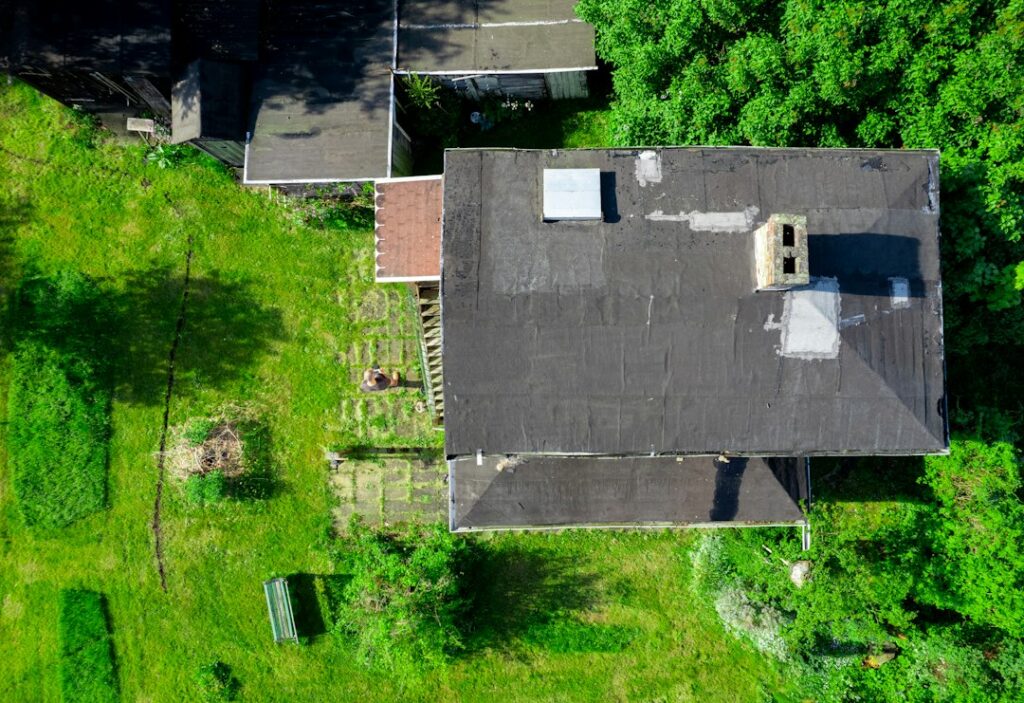
A new roof can improve a home’s value, but the effect is not as simple as adding the project cost to the asking price. Buyers and appraisers generally view roofing as part of the home’s overall condition, protection, and remaining useful life.
For residents in Averill Park, NY, roofing decisions also need to account for cold winters, snow, ice, freeze-thaw cycles, wind, and summer moisture. A roof that appears sound from the ground may still raise questions if it is near the end of its service life or if the attic shows signs of poor ventilation.
Does a new roof automatically increase home value?
A new roof can support a higher market value, but it does not guarantee a dollar-for-dollar return. Its strongest effect is often reducing concerns that could cause buyers to lower an offer, request repairs, or walk away from a transaction.
A roof replacement may add value in several ways:
- It improves the home’s visible condition.
- It reduces the likelihood of leaks and related interior damage.
- It gives buyers more confidence about near-term maintenance costs.
- It can make the property easier to finance and insure.
- It may help the home compare favorably with similar properties that have older roofs.
The actual impact depends on the roof’s previous condition, the quality of the replacement, the home’s price range, and current buyer expectations. A replacement on a home with an already serviceable roof may produce a smaller value increase than a replacement that corrects active leaks, missing shingles, or widespread deterioration.
Why roof condition matters during a sale
Roof condition is one of the property features examined during a typical home inspection and may also be considered during an appraisal. An appraiser is not simply counting how many years ago the roof was installed. The more relevant questions are whether the roof appears functional, whether it has substantial remaining life, and whether defects affect the home’s condition or marketability.
An older roof can create uncertainty even when there is no active leak. A buyer may think about the cost of replacement, the possibility of hidden deck damage, or the difficulty of arranging work after closing. That uncertainty can influence negotiations.
A newer roof does not eliminate every concern. Inspectors may still look for:
- Poor flashing around chimneys, walls, skylights, and roof penetrations
- Inadequate attic ventilation
- Signs of moisture or staining
- Sagging areas or damaged roof decking
- Improperly installed shingles or exposed fasteners
- Blocked drainage paths or deteriorated gutters
- Ice-dam-related damage near eaves
A roof’s age is useful information, but installation quality and current condition matter just as much.
Does replacing a roof improve appraisal value?
It can, particularly when the prior roof was visibly worn, leaking, or near the end of its expected service life. However, an appraisal does not usually treat every roofing expense as a direct addition to the property’s value.
Appraisers compare the home with similar properties and consider the overall condition of the structure. A new roof may help a property fit into a stronger condition category, especially if comparable homes have older or neglected roofing.
The improvement may be less noticeable when:
- The old roof was still in good condition
- The replacement uses materials that are unusual for the surrounding housing market
- Other major components remain outdated
- The work was completed without clear documentation
- The roof replacement does not address ventilation, drainage, or underlying damage
A new roof is most valuable as part of a sound, well-maintained home rather than as an isolated cosmetic upgrade.
How does a roof affect buyer confidence?
Roofing has an unusually strong psychological effect because problems can spread into many parts of a house. A small roof leak can damage insulation, ceilings, drywall, framing, electrical components, and personal property. Buyers understand that these costs may be difficult to identify before damage becomes visible.
A recently replaced roof can therefore provide reassurance. Buyers may feel more comfortable knowing that one of the home’s most exposed systems has already received substantial attention.
This does not mean a seller should expect buyers to ignore other defects. If the home has poor drainage, foundation moisture, outdated electrical work, or inadequate attic insulation, a roof replacement alone may not produce the desired impression. Buyers generally evaluate the property as a whole.
What makes a roof replacement more valuable?
The most useful roof improvements are the ones that improve durability, performance, and documentation—not just appearance.
Value is more likely to be supported when the project includes:
- Proper underlayment and flashing
- Sound roof decking or documented repairs to damaged decking
- Adequate ventilation suited to the roof design
- Correct drainage around valleys, eaves, and roof-to-wall transitions
- Materials appropriate for local winter weather
- Clean workmanship with consistent installation
- Permits or inspection records when required
- Written records showing the project date, materials, and warranty information

For a cold-weather home, attic ventilation and air sealing deserve particular attention. Warm, moist air escaping into a cold attic can contribute to condensation, while uneven roof temperatures can increase the risk of ice dams. A roof replacement may not solve those issues unless the attic assembly is also evaluated.
Can a new roof lower energy bills?
A roof replacement by itself may not produce a dramatic reduction in heating costs. Shingles and underlayment are not a substitute for adequate attic insulation, air sealing, and ventilation.
Energy benefits are more likely when the roofing project is coordinated with improvements to the attic. For example, correcting air leaks between the living space and attic, restoring ventilation pathways, and adding insulation where needed can improve comfort and reduce heat loss.
In older homes, these related improvements may also help prevent moisture problems. That can protect the roof structure and preserve the condition that buyers and appraisers see during a future sale.
Should a homeowner replace a roof before selling?
Not always. A replacement may make sense when the roof has active leaks, significant visible deterioration, or a condition that is likely to interfere with financing or inspection. It may be less sensible when the roof is older but still performing well and the homeowner would not recover enough of the cost through the sale.
Alternatives may include:
- Obtaining a professional roof condition report
- Repairing localized defects
- Replacing damaged flashing or missing shingles
- Cleaning and repairing drainage components
- Correcting visible attic moisture problems
- Providing maintenance and repair records to prospective buyers
The right choice depends on timing, budget, the home’s condition, and the likely expectations of buyers in the local market. A roof replacement should be viewed as a risk-management decision as much as a value-enhancement project.
How long does a new roof add value?
A new roof generally offers the greatest buyer appeal during the early years after installation, when its remaining service life is easiest to understand. Its contribution gradually shifts from “new feature” to “well-maintained component.”
Keeping records can preserve that value. Useful documentation includes the completion date, product information, invoices, permits when applicable, photographs of concealed work, and records of later repairs or inspections.
Routine maintenance also matters. Keeping gutters clear, checking flashing after severe weather, watching for attic moisture, and addressing small defects early can help the roof perform as expected.
For households in Averill Park, seasonal roof care is especially relevant because repeated snow, ice, wind, and temperature changes can expose weaknesses that may not be obvious during dry weather. A roof that remains dry, properly ventilated, and well-drained is more likely to support both everyday comfort and future resale confidence.
