
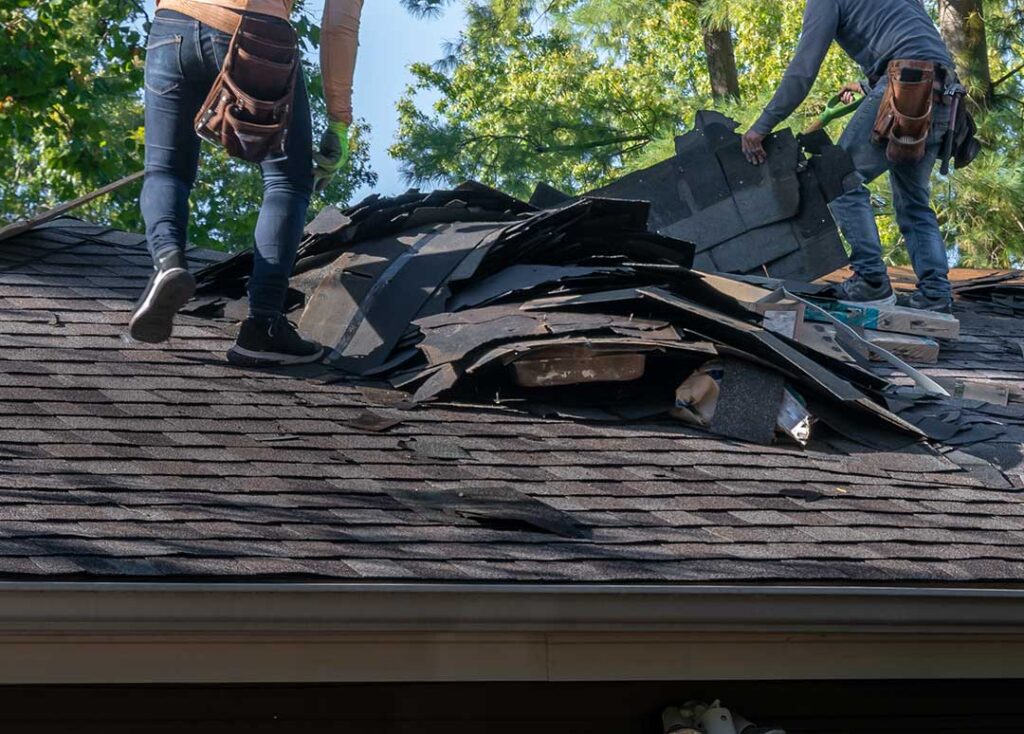
What Is Roof Decking and Why Does It Matter?
Roof decking, also known as roof sheathing, is the flat material that forms the base layer between a home’s structural rafters and the shingles or other exterior roofing material. In every home and building in Averill Park, NY, this hidden component plays a crucial structural role. Roof decking provides a stable surface for attaching shingles and helps ensure that the entire roofing system remains strong and weather-resistant throughout our seasons.
Without solid, well-installed roof decking, even the best shingles or metal panels can become loose, leak, or fail. Area residents planning roof repairs or replacements often hear about underlayment and shingles, but the "bones" of the roof—the decking underneath—are just as critical for developing a long-lasting, safe roof.
What Types of Roof Decking Are Common in Averill Park?
Local homes and buildings most commonly have one of the following types, each with specific advantages and drawbacks:
- Plywood: Sheets of wood veneer glued together. Most new and remodeled homes in Averill Park use exterior-grade plywood because it’s durable, strong, and resists moisture with proper ventilation.
- Oriented Strand Board (OSB): Composed of compressed wood strands and adhesives. OSB tends to be more affordable than plywood and is widely used in residential construction. Both OSB and plywood are suitable for our climate, though some property owners prefer plywood’s moisture resistance if there are ice dam or ventilation concerns.
- Plank Decking: Common in homes built before the 1970s, this uses individual wooden planks installed side-by-side. Older homes in Averill Park with original roofs often have plank decking, which might need repairs or upgrades to meet modern standards.
Rare alternatives—such as metal or concrete decks—sometimes appear in commercial settings but aren’t typical for local residential properties.
How Can You Tell If Roof Decking Needs Repair or Replacement?
Rafters and attic framing usually hide roof decking from view, so many signs of deterioration aren’t visible from outside. Area households should look out for:
- Sagging: Visible dips on the roof surface may signal weakened decking.
- Leaks or Water Stains: If there are ceiling stains, ongoing attic moisture, or signs of rot, damaged decking could be to blame.
- Soft or Spongy Spots: If walking on the roof (which should only be done safely and by those experienced), any give or flex is a red flag.
- Visible Rot or Mold: Accessing the attic may reveal water stains, rotting wood, or mold growth on the underside of roof boards.
- Roofing Project Discoveries: Often, hidden problems only show during re-roofing when old shingles and underlayment are stripped away.
In Averill Park’s climate—marked by heavy snow, spring rain, ice dams, and summer humidity—decking is at risk of moisture damage, especially if roof leaks go unnoticed or ventilation is poor.
Why Is Roof Decking so Important for Weather Protection?
Solid decking is the foundation that keeps the entire roof system functioning properly. In Averill Park, hefty snow loads and freeze-thaw cycles put significant strain on roofs:
- Proper decking supports the weight of snow without sagging.
- It provides a continuous, flat surface for water-shedding materials, preventing leaks.
- Secure decking helps minimize shingle blow-off and wind damage during local storms.
- By resisting moisture absorption, healthy decking helps prevent mold and rot, which can lead to structural problems.
Even the best attic insulation and ventilation won’t compensate for rotted or damaged decking. Keeping this hidden layer in good shape is critical for the longevity of the entire roofing system.
Can Roof Decking Be Inspected Without Removing the Roof?
For most homeowners, roof decking isn’t visible until the roof is stripped during repairs or replacement. However, there are some ways to spot potential issues early:
- Check for staining or mold on the underside of the roof deck from inside the attic.
- Feel for dampness, rot, or a musty odor in the attic, especially after snowmelt or heavy rain.
- Look for daylight shining through roof boards, which may indicate gaps or deterioration.
- Watch for nail pops or shingle alignment issues outside, which sometimes signal movement or weakness in the deck underneath.
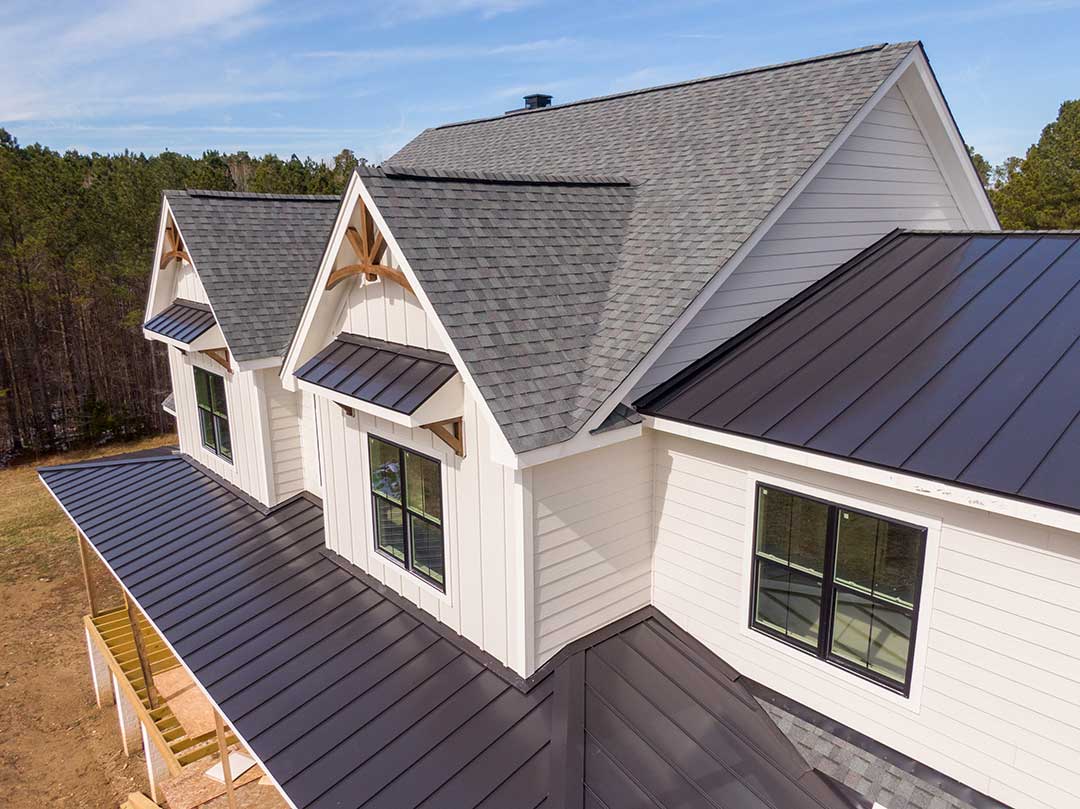
Annual attic checks—especially after ice damming, major storms, or long wet spells—can catch problems before they require major repair. While some signs can be seen or sensed without professional tools, hidden issues often only appear when shingles are removed.
What Happens If Damaged Decking Isn’t Repaired?
Ignoring damaged roof decking in Averill Park can lead to larger, costlier problems. Some common outcomes include:
- Roof leaks that get worse over time, damaging insulation, ceilings, and walls
- Structural sagging, leading to further stress on rafters and possibly impacting the safety of the entire roof
- Persistent attic humidity and condensation problems, fueling mold and rot that can spread through adjacent wood
- Major shingle loss or roof collapse in severe cases where snow or wind forces exceed the weakened deck’s strength
Unchecked problems with the decking often mean that even new shingles or repairs won’t last, as water can work its way into the structure repeatedly.
Are There Local Considerations for Roof Decking in Averill Park?
Area homes face a mix of climate-related and construction-specific factors that impact roof decking:
- Snow Load: Decking must be strong enough to handle heavy winter accumulations typical in the region.
- Ventilation: Proper attic ventilation limits condensation and mold, which can otherwise shorten the lifespan of the decking.
- Building Codes: Modern regulations require minimum thickness and proper materials—homes with older plank decking may need upgrades during major repairs.
- Ice Dams: These local winter hazards occur when melting snow re-freezes at the roof’s edge, trapping water that seeps beneath shingles and soaks the decking. Preventing and addressing leaks quickly can limit long-term damage.
Residents planning to replace a roof should be prepared for the possibility of partial or full decking replacement, especially in homes more than 40 years old or those with a history of leaks.
Are There Myths or Misconceptions About Roof Decking?
Some area homeowners believe that replacing shingles will always fix roof leaks, but if the decking underneath is decayed or waterlogged, leaks are likely to return. Another common misconception is that all wooden decks are the same; in fact, the choice between plywood, OSB, and planks can affect everything from roof durability to how the roof withstands local weather extremes.
Finally, it’s sometimes assumed that new decking is only needed in older homes. In reality, even relatively new decks can be damaged by ice damming, pest infestation, or undetected leaks.
