
How Can Severe Winds Damage Roofs in Averill Park, NY?
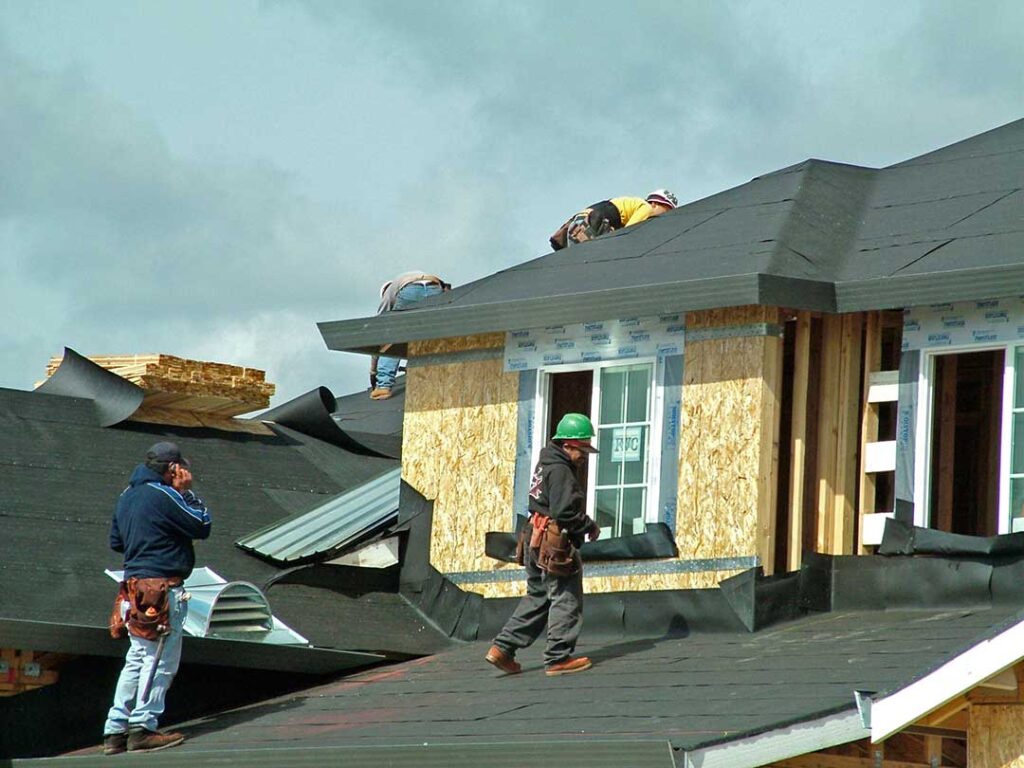
Severe wind events pose a significant threat to roofs in Averill Park, NY. These strong gusts can loosen, lift, or even completely remove roofing materials, exposing the underlying structure to further weather damage. The specific risks depend on wind intensity, roof design, and the materials used on homes in the area.
Winds commonly experienced in Averill Park—especially during nor’easters or thunderstorms—can cause:
- Shingle lifting and tearing
- Damage to flashing and ridge vents
- Displacement or removal of metal panels
- Loosening of gutters or downspouts
Older roofs, or those already affected by minor wear, are especially vulnerable. Even newer roofs can see edge shingles lifted or weakened by brief but intense wind gusts.
What Parts of a Local Roof Are Most Vulnerable?
The most vulnerable areas of a roof under severe wind conditions are typically the edges, ridges, and anywhere materials overlap. Wind gets under the loose corners or edges, prying materials up or causing a domino effect along the row of shingles or panels.
For homes in Averill Park, the following are commonly affected:
- Shingle or tile edges and corners
- Roof ridges where vents are installed
- Areas near chimneys, skylights, or other penetrations
- Eaves and overhangs
- Gutter attachments and roof accessories
Roofs with missing nails, aging sealants, or previously patched areas can suffer expanded damage quickly. Inspections after storms often reveal damage that isn’t visible from the ground, such as lifted fasteners or hairline cracks.
Can Local Weather Patterns Make Wind Damage More Likely?
Yes, certain weather conditions common in Averill Park can increase the risk and extent of wind-related roof damage. The community experiences strong thunderstorms, fall windstorms, rare but severe winter squalls, and post-snowmelt high winds. Trees around homes may also shed branches during wind events, which can strike the roof and remove protective granules or even puncture materials.
Contributing local weather factors include:
- Sudden wind shifts common in mixed-precipitation storms
- Microbursts during summer thunderstorms
- Winter storms with high sustained winds and snow accumulation
- Rapid freeze-thaw cycles that weaken roofing sealants or adhesives
Knowing when these weather patterns are likely—such as in spring or fall—can help residents stay alert to emerging risks.
What Are Signs of Wind Damage That Residents Should Look For?
Wind damage isn’t always obvious right away. Some warning signs are best seen up close; others may show up as persistent leaks weeks later.
Common indicators include:
- Missing, curled, or creased shingles or tiles
- Piles of granules in the gutter or on the ground
- Exposed nails or fasteners along rooflines and vents
- Bent, sagging, or missing gutters and downspouts
- Water stains in upper rooms or along attic rafters
- Detached flashing around chimneys or skylights
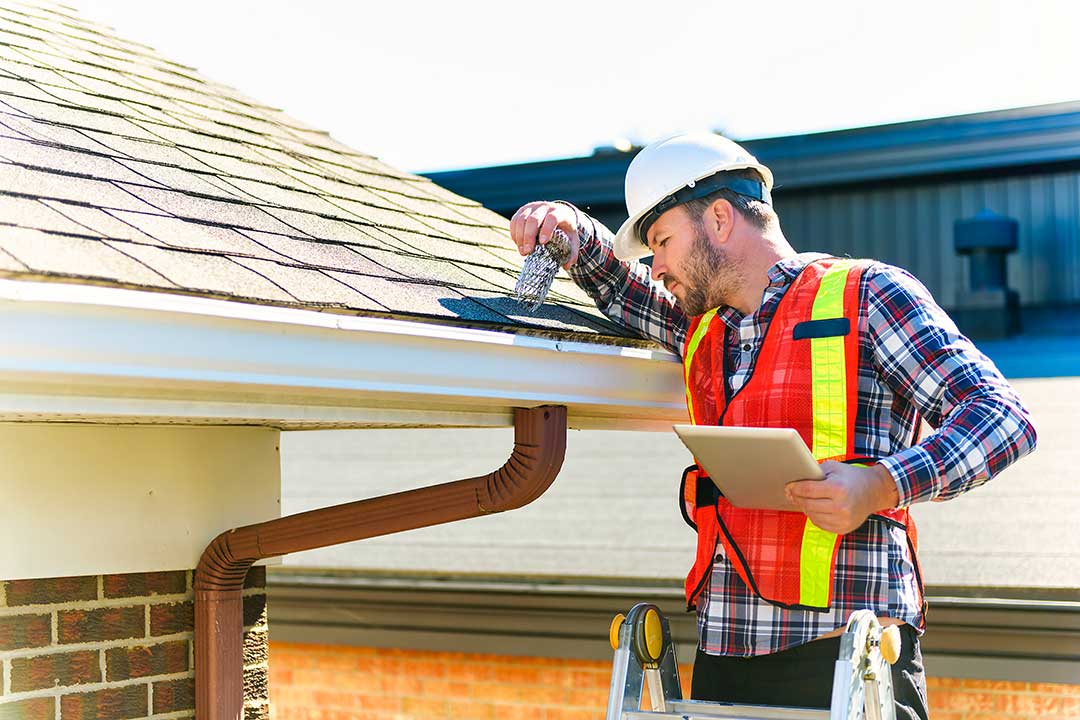
In heavily wooded neighborhoods, check for broken branches, debris piles, or sections of roof where moss or lichen have been newly disturbed. These can highlight impact points or areas where wind pressure was greatest.
How Can Wind Damage Be Minimized on Homes in Averill Park?
While no roof is immune to severe wind, some steps can limit the risk or severity of damage. Frequent inspection is a practical approach, especially after major storms. Homeowners in the community often take seasonal measures:
- Checking and re-securing loose shingles at the start of wind-prone seasons
- Ensuring roof edges and overhangs are properly fastened
- Keeping gutters, downspouts, and valleys clear of debris
- Trimming back tree limbs that hang over the home
- Watching for spots where old repairs or caulking need touch-ups
For those planning a replacement or major fix, using materials rated for high winds—such as certain shingles or underlayments—can provide extra peace of mind but always be sure to follow manufacturer and building code recommendations.
Can Insurance Help With Wind-Related Roof Damage?
Standard homeowners’ insurance policies typically cover wind damage to roofs, but coverage details can vary. Many policies require prompt reporting of a claim and may specify how repairs should be completed. Documentation, including photos before and after storms, is especially helpful should damage occur. It’s a common misconception that all wind damage is obvious or that small issues aren’t worth reporting—minor problems can become major over time.
Residents are encouraged to save paperwork from major repairs or roof replacements, which can streamline future insurance processes.
Are There Any Local Roofing Myths About Wind Damage?
Several misunderstandings persist in the Averill Park area:
- "If shingles don’t blow off, the roof is fine." In reality, hidden issues like loosened fasteners or sealant failures may not show up until the next storm or months later.
- "Metal roofs never suffer wind damage." While they’re generally sturdy, improper installation or aged panels can result in sections lifting or seams separating during intense gusts.
- "Roof inspections are only needed after hurricanes or major storms." In practice, even moderate wind events can produce gradual wear that accumulates over time, especially during the transition seasons.
Understanding these points can help residents make informed decisions about routine roof care and what to watch for after tough weather.
