
Renovations can protect and improve a home, but construction activity can also create unexpected roofing problems. Foot traffic, falling debris, temporary openings, poorly placed ladders, and uncovered materials may lead to leaks or damage that does not appear until the next heavy rain.
For homeowners in Averill Park, NY, roof protection deserves extra attention because renovation work may overlap with rain, snow, freeze-thaw cycles, strong winds, and periods of high humidity. A careful plan before work begins can prevent many avoidable repairs.
Which renovation activities pose the greatest risk to a roof?
Roof damage is most likely when workers, materials, or equipment interact directly with the roof surface. Projects involving the upper floors, attic, chimney, skylights, siding, windows, solar equipment, or additions require particular care.
Common risks include:
- Walking on shingles or brittle roofing materials
- Dropping tools, lumber, nails, or demolition debris
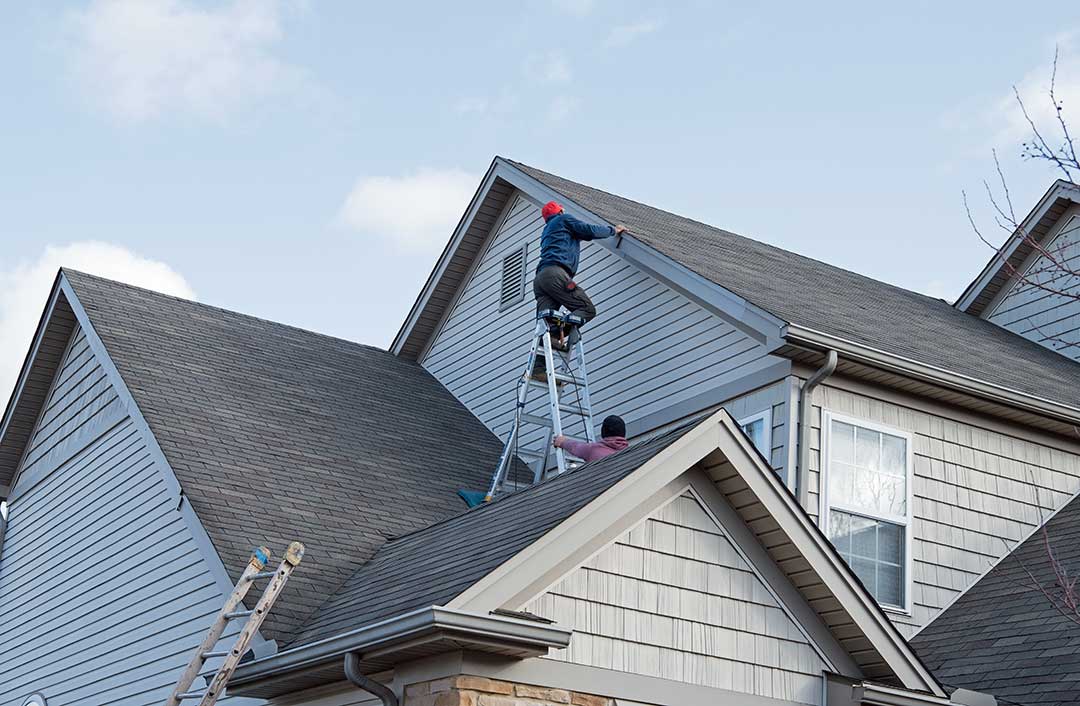
- Resting ladders against gutters, eaves, or roof edges
- Cutting materials over the roof
- Removing flashing around walls, chimneys, or vents
- Leaving roof openings uncovered overnight
- Allowing sawdust, leaves, or loose debris to collect near drainage areas
- Installing temporary tarps incorrectly
Even a roof that appears to be in good condition can be damaged by repeated foot traffic. Asphalt shingles may lose protective granules, crack at the edges, or become displaced. Older roofs can be especially vulnerable because years of sunlight, ice, and temperature changes may have made the materials less flexible.
How should the roof be inspected before renovation begins?
A pre-renovation inspection creates a record of existing conditions and identifies weak areas before construction starts. The inspection should cover the roof surface, edges, penetrations, drainage components, and the attic side of the roof where accessible.
Look for:
- Missing, curled, cracked, or loose shingles
- Exposed nail heads or deteriorated sealant
- Damaged step flashing around walls and chimneys
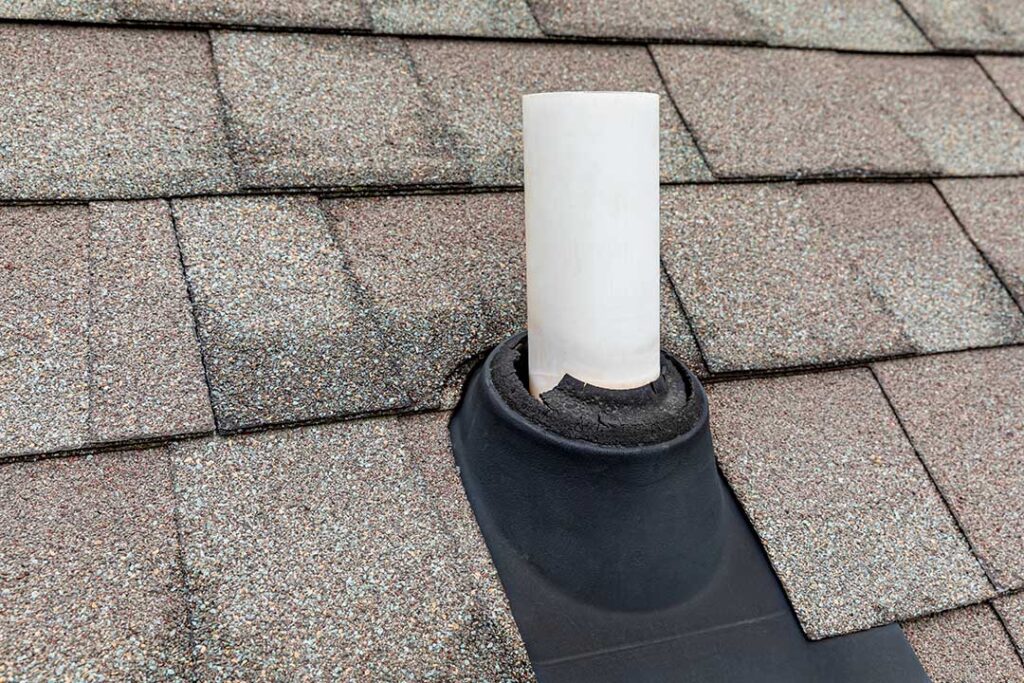
- Loose pipe collars or vent flashing
- Sagging gutters or blocked downspouts
- Soft areas in roof sheathing
- Water stains, damp insulation, or musty odors in the attic
- Ice-dam staining or previous leak marks
Photographs taken from the ground, attic, and safe roof-access points can help document the condition. This is useful if a leak develops later, because it distinguishes pre-existing damage from construction-related damage.
Roof access should not be attempted by anyone who lacks safe equipment or experience. Steep slopes, wet surfaces, frost, and loose granules can make a roof hazardous even during mild weather.
What should be done before workers begin?
The renovation plan should identify whether the roof will be used as a work surface, crossed for access, or exposed by the project. If roof access is unavoidable, a designated walking route can limit damage.
Useful precautions include:
- Keep foot traffic to the strongest, least steep areas when possible.
- Use properly supported roof ladders or designated access equipment.
- Protect roofing with suitable walk boards where repeated access is necessary.
- Keep tools and materials away from roof edges.
- Use ground-based staging whenever the project allows it.
- Cover nearby skylights, vents, and fragile roofing features.
- Establish a daily cleanup routine for fasteners and sharp debris.
- Confirm who is responsible for checking temporary protection before rain or wind.
Boards, plywood, or protective coverings should never be placed directly on a roof without considering ventilation, drainage, surface pressure, and wind exposure. Improper coverings can trap moisture, scrape off shingle granules, or allow water to collect against vulnerable areas.
How can a roof be protected during exterior work?
Exterior projects require protection from both impact and water intrusion. Siding replacement, window installation, chimney work, and additions can expose the roof to falling debris or create openings where walls meet the roofing system.
Tarps should be secured so they shed water away from the structure without blocking gutters or downspouts. They should not be fastened in a way that creates new holes in the roofing unless the method is specifically designed for temporary weather protection. A loose tarp can flap against shingles, collect water, or become dangerous in strong wind.
Roof-to-wall intersections deserve special attention. These areas depend on correctly installed flashing to direct water away from the structure. If siding, trim, or exterior wall materials are removed, the underlying flashing should not be bent, cut, or covered casually.
During demolition, debris should be lowered rather than thrown. Even small pieces of wood or metal can puncture membranes, break shingles, damage gutters, or enter attic ventilation openings.
What if the renovation creates an opening in the roof?
Any opening should have a planned temporary weather barrier before work begins. This includes areas for skylights, chimneys, dormers, plumbing vents, attic additions, and roof-mounted equipment.
A temporary covering should:
- Extend beyond the opening far enough to direct water away
- Be fastened securely against expected wind
- Avoid creating pockets where water can pool
- Keep insulation and interior finishes dry
- Be checked after storms and at the end of each workday
- Remain in place only as long as necessary
A tarp is not a substitute for completed flashing and roofing. If rain enters an unfinished opening, water may travel along rafters or insulation and appear far from the actual entry point. Interior staining does not always show directly below the leak.
In a climate with winter snow and freeze-thaw conditions, unfinished roof openings can also allow cold air and moisture into the building assembly. That can contribute to condensation, wet insulation, and damage to framing.
How should gutters, downspouts, and ventilation be handled?
Renovation debris often causes drainage problems before it causes visible roof damage. Nails, sawdust, mortar, leaves, and pieces of underlayment can clog gutters and downspouts.
Gutters should be checked during the project and again after major work is complete. Downspouts should discharge water far enough away from the foundation to prevent pooling near the structure.
Roof ventilation must also remain functional. Do not cover soffit vents, ridge vents, gable vents, or other designed openings with insulation, plastic, siding materials, or construction debris. Blocked ventilation can increase attic moisture and contribute to condensation, especially when indoor heating begins during colder weather.
What should homeowners check after each workday?
A brief end-of-day inspection can catch small problems before the next storm. From the ground and attic, look for:
- New pieces of shingle or flashing
- Exposed underlayment or roof sheathing
- Loose tarps or temporary coverings
- Debris in gutters or around roof drains
- Water stains or damp insulation
- Nails and sharp scraps in walkways and garden areas
- Open windows, vents, or roof penetrations
After heavy rain or strong wind, inspect ceilings, upper walls, attic spaces, and areas around skylights or chimneys. A small drip should not be ignored. Water may spread through insulation and framing before becoming visible indoors.
When does roof protection require specialized help?
Some renovation conditions create genuine safety or building-envelope concerns. Specialized assistance is warranted when the roof is steep, damaged, icy, structurally weak, or difficult to access; when a roof opening cannot be securely covered; or when flashing, sheathing, or structural framing has been disturbed.
Electrical equipment, chimneys, skylights, and roof-mounted systems also require caution because mistakes can create fire, fall, ventilation, or water-intrusion hazards. Work should comply with applicable building requirements and manufacturer instructions for the roofing materials involved.
The safest renovation plan treats the roof as part of the building’s weatherproofing system, not simply as a surface to walk across. Protecting drainage, flashing, ventilation, and temporary openings helps preserve the roof while the rest of the home is being improved.
