
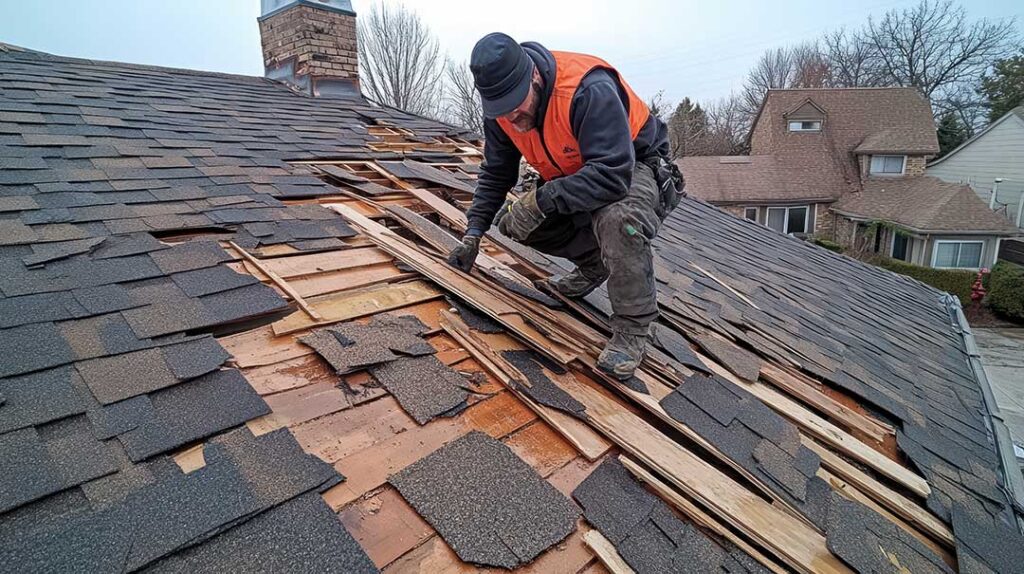
Roof stains are usually signs of moisture, organic growth, aging materials, or drainage problems. Some are mainly cosmetic, while others indicate conditions that can shorten the life of a roof or allow water into the building.
For households in Averill Park, NY, roof staining deserves extra attention because repeated rain, snow, ice, shade, and seasonal temperature changes can keep roofing materials damp for long periods. The right response depends on the stain’s color, location, shape, and whether the roof has any signs of damage.
What do roof stains usually mean?
Most roof stains fall into a few common categories:
- Dark gray, black, or greenish streaks: Often caused by algae or other organic growth, especially on asphalt shingles that remain damp.
- Brown or rust-colored marks: May result from roof leaks, rusting metal components, decaying leaves, or water carrying dirt across the surface.
- White or chalky patches: Can indicate mineral deposits, aging surface granules, or residue left after water evaporates.
- Circular ceiling stains indoors: Usually point to water entering through the roof, flashing, venting, or an upper-level building component.
- Localized discoloration near roof edges: May be connected to clogged gutters, overflowing water, or inadequate drainage.
A stain does not automatically prove that the roof is leaking. However, a stain that is spreading, becoming darker after rain, or appearing alongside damaged shingles should be treated as a possible moisture problem.
Why do shingles develop black streaks?
Black streaks are commonly associated with algae growth. Algae can spread across shingle surfaces and create long, uneven marks that are especially visible on lighter-colored roofs. The growth is more likely where moisture remains after rain or snowmelt, including shaded roof sections and areas beneath overhanging branches.
Algae does not always cause immediate leakage. It can, however, hold moisture against the roof surface and make the roof look older than it is. Heavy growth may also contribute to the loss of surface granules over time.
Moss is different from algae. Moss forms thicker, softer patches and may grow between or beneath shingle edges. As it expands, it can lift shingles and create pathways for wind-driven rain. Lichen, which appears crusty or branching, may attach even more firmly to roofing materials.
Are roof stains a sign of a leak?
Sometimes, but not always. Exterior discoloration may be harmless surface growth, while interior staining is more likely to indicate water intrusion.
Check for these warning signs:
- A ceiling or wall stain that grows after rain
- Damp insulation or musty odors in an attic
- Water marks around skylights, chimneys, vents, or roof-to-wall intersections
- Curling, cracked, loose, or missing shingles
- Rusted flashing or exposed fasteners
- Daylight visible through the roof sheathing
- Wet roof decking or darkened rafters
Water does not always appear directly below the entry point. It can travel along rafters, decking, insulation, or wall cavities before becoming visible indoors. For that reason, the location of an interior stain may not identify the exact source.
What should be done before cleaning a stained roof?
Begin with observation rather than immediately applying a cleaning solution. Look at the roof from the ground or from an upper window, using binoculars if needed. Avoid climbing onto a wet, icy, steep, or visibly damaged roof.
Document:
- The approximate location and size of the stain
- Whether it is on the north-facing or shaded side
- Whether nearby branches touch the roof
- The condition of gutters and downspouts
- Any recent storms, heavy snow, or ice buildup
- Changes inside the attic or upper floors
After rainfall, check whether gutters are overflowing or whether water is running behind them. Leaves, pine needles, and roof granules can block drainage and leave parts of the roof wet longer than intended.
How can algae or moss be removed safely?
Roof cleaning should be gentle. Asphalt shingles can be damaged by pressure washing, stiff brushes, scraping, or walking repeatedly across the surface. These actions may remove protective granules, loosen shingles, and reduce the roof’s resistance to weather.
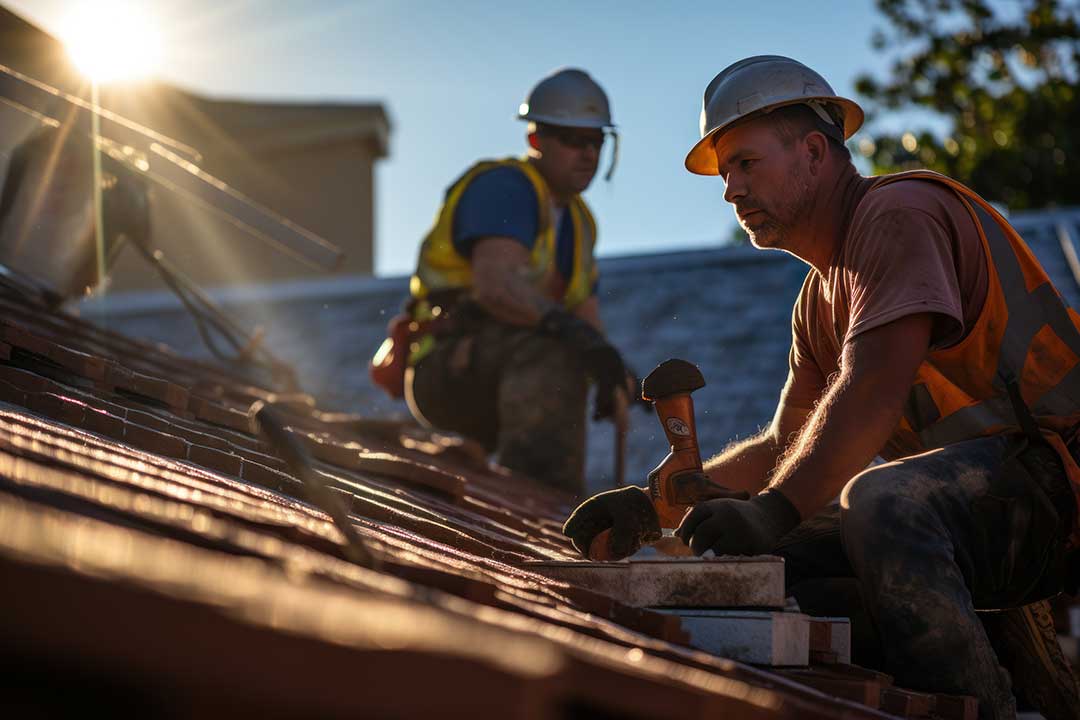
A safer approach generally involves:
1. Removing nearby branches and debris without dragging material across the shingles.
2. Using a roof-safe cleaning method appropriate for the roofing material.
3. Allowing the treatment to work rather than aggressively scrubbing.
4. Rinsing only in a way that does not force water beneath shingle edges.
5. Protecting plants, soil, siding, and exterior finishes from runoff.
6. Addressing the damp conditions that allowed growth to develop.
Do not mix cleaning chemicals. Bleach-based solutions, acidic products, and other treatments can create hazardous fumes or damage roofing, landscaping, painted surfaces, and metal components. Product directions should be followed exactly, and protective equipment is necessary when handling any chemical.
Moss should not simply be pulled away if it is rooted under shingle edges. Removing it forcefully can tear the roofing material or expose fasteners.
Can roof stains be prevented?
Prevention focuses on keeping the roof cleaner, drier, and better drained. Helpful measures include:
- Trimming branches that shade the roof or brush against shingles
- Keeping gutters and downspouts clear
- Directing downspout discharge away from the foundation
- Removing leaves and accumulated debris when conditions are safe
- Checking attic ventilation and insulation
- Watching for recurring ice dams along the eaves
- Replacing damaged flashing or loose roofing components
- Avoiding unnecessary roof traffic
In colder climates, uneven attic heat can warm the underside of the roof and contribute to snow melting and refreezing near the eaves. This may create ice dams, which can force water beneath roofing materials. Roof stains near eaves or interior walls may sometimes be related to this cycle rather than to a single failed shingle.
Does painting or covering a stain solve the problem?
No. Painting over an exterior stain may hide discoloration temporarily but does not remove algae, moss, trapped moisture, or damaged roofing. Painting an interior ceiling stain without finding the source can also conceal an active leak.
Interior repairs should begin only after the roof or exterior moisture problem has been corrected and the affected material has dried. Water-damaged drywall, insulation, and wood may require separate evaluation if they have remained wet or developed mold-like growth.
When does a roof stain require prompt attention?
Prompt attention is warranted when staining is accompanied by active dripping, wet electrical components, sagging ceilings, widespread moss, missing shingles, exposed underlayment, or a roof surface that appears unsafe to walk on.
After a severe storm, inspect from the ground for displaced materials and check upper-floor ceilings and attic spaces for new moisture. Snow and ice can hide damage, so a lack of visible roof problems does not always confirm that the roof is sound.
A small, stable algae streak may be monitored and addressed during routine exterior maintenance. A growing interior stain, recurring wet area, or damaged roofing component presents a different level of concern because continued moisture can affect insulation, framing, finishes, and indoor air quality.
What is the most common mistake?
The most common mistake is treating every roof stain as a cosmetic issue—or trying to remove every stain with force. The better approach is to identify whether the discoloration comes from organic growth, drainage, metal corrosion, or water intrusion.
Careful observation, gentle maintenance, and attention to attic and ceiling conditions can help distinguish a surface problem from a developing roof failure. In Averill Park, seasonal moisture, snow, shade, and freeze-thaw conditions make that distinction especially useful for protecting the roof and the building beneath it.
