
What Is Roof Decking and Why Does It Matter?
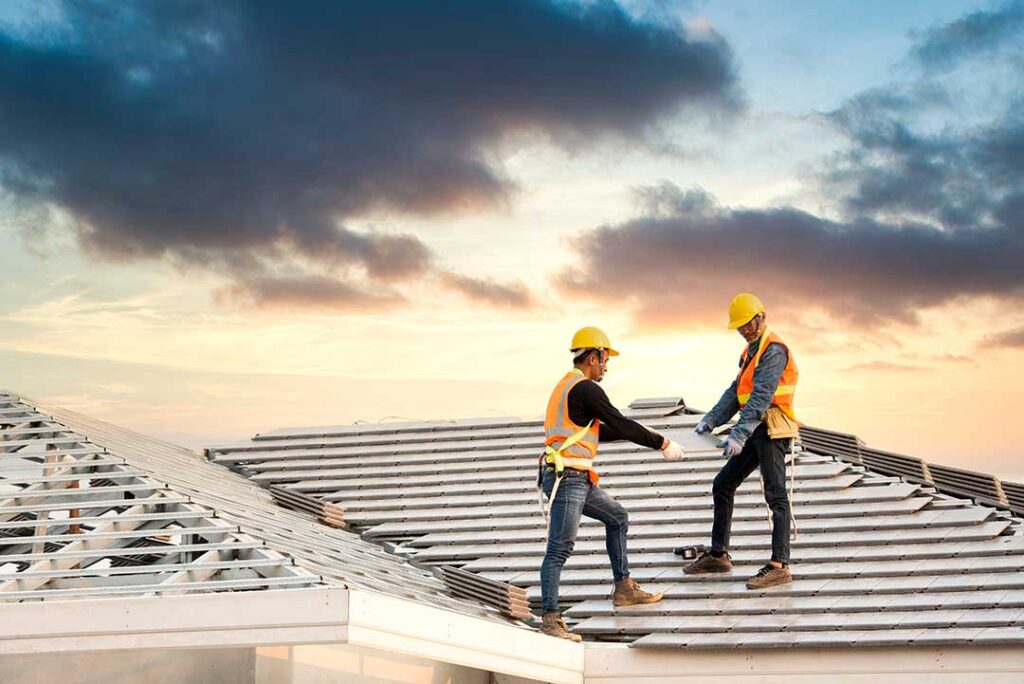
Roof decking is the structural layer between your home’s framing and the shingles or roofing material you see from the outside. In most homes throughout Averill Park, this deck is made of plywood or oriented strand board (OSB). It serves as the base that supports your roof’s weight and creates a barrier protecting your home from weather, pests, and moisture.
Having a solid roof decking layer is especially important in regions like Averill Park, where seasonal snow loads, heavy autumn rains, and humid summers all put stress on roofing structures each year.
How Can You Tell If Your Roof Decking Needs Attention?
Visible or subtle changes inside and outside your home can signal trouble with the decking. Residents often wonder what distinguishes normal wear from a potentially serious issue. Clues may include:
- Sagging or drooping areas of the roofline
- Soft or spongy sections when you walk in the attic (use caution)
- Dark stains or visible mold on attic wood
- Water spots or peeling paint on upper ceilings
Locally, snow build-up and ice dams are common causes of leaks that slowly damage decking over years, even if leaks aren’t immediately obvious inside the home.
Are Roof Leaks Always a Sign of Decking Damage?
Roof leaks are a warning but not always a sign that the decking itself is compromised. Leaks can start with failed shingles or flashing but may go long enough that moisture soaks into the decking below. In Averill Park, freeze-and-thaw cycles can worsen these leaks, causing wood to warp or break down faster.
If you notice:
- A recurring leak in the same place, even after patching shingles
- Stained or sagging ceiling areas after storms
- A musty smell in your attic or upper levels
…it’s wise to check whether water has traveled through to the decking layer. Decking that repeatedly gets wet can lose its strength, become moldy, or even rot.
How Does Roof Decking Get Damaged in Averill Park?
The climate in Averill Park exposes roof decks to several sources of stress:
- Heavy snows in winter put prolonged weight on roofs
- Ice dams form along eaves, forcing melted water under shingles
- Humidity and temperature swings cause wood to expand and contract
- Moist leaves, pine needles, and organic debris trap moisture on the roof
Older homes in the community may have been built with thinner decking by today’s standards, making them more prone to sagging or softening as they age.
What Does Decking Damage Look Like in the Attic?
Homeowners often overlook the attic when checking their roof’s health. Here’s what to look for if you feel safe accessing yours (never step between joists):
- Discolored patches or white/black mold on the wood decking
- Areas where light shines through during the day (gaps or holes)
- Plywood that appears swollen, de-laminated, or crumbling at the edges
- Wet insulation touching the deck
In addition to water, poor attic ventilation—a not-uncommon issue in local homes—can hasten the breakdown of decking by trapping moisture up top.
Is It Safe to Walk on Suspect Decking?
Walking on a roof with questionable decking can be dangerous. If you suspect parts of the roof may be soft, limit access until you can assess from inside the attic. Signs like bouncing, creaking, or feeling the deck flex when weight is applied mean the area may be structurally compromised.
For two-story homes or steeply pitched roofs, checking visually from the ground—looking for dips or bowing, especially after snow has melted—can reveal sagging sections in need of investigation.
Can Damaged Decking Be Repaired, or Does It Require Replacement?
Small or localized damage to roof decking (such as from a minor leak) can sometimes be cut out and replaced with a new section. However, widespread damage—like sagging across several rafters or visible mold throughout—may require a larger portion or the entire deck to be replaced.
Patching is not a long-term solution if the decking has lost its rigidity or shows ongoing mold growth. In cases where mold or rot is extensive, replacement ensures the roof’s structure will remain sound through Averill Park’s seasonal weather extremes.
Are There Hidden Decking Problems Homeowners Overlook?
One common misconception is that as long as shingles appear intact, everything underneath is fine. However, decking can deteriorate for years unseen beneath older roofing. Other often-missed warning signs include:
- Roof “creaking” during wind or snowfall, which can indicate weakened wood
- Unexplained increases in upstairs dampness or allergy symptoms
- Shingle nails working loose or standing proud above the surface (a sign of underlying softness)
Placing heavy objects or storing items in an unfinished attic can also press down on weakened areas, making issues worse over time.
What Seasonal Habits Help Catch Decking Issues Early?
In regions like Averill Park, regular observation after winter and fall is especially helpful. Residents who:
- Check attics for leaks or stains after major storms or spring thaws
- Clear debris from roofs and gutters through the year
- Make a habit of scanning the roofline for sags each spring
find that small issues can be caught before they become more costly problems. Keeping the attic well-ventilated and dry year-round is also one of the best (and simplest) ways to curb hidden moisture buildup that leads to decking failures.
